

There’s a raw, electrifying thrill that surges through the veins of any tennis player who masters the smash — that overhead thunderbolt shot that ends rallies with a signature statement. In the 2020s, tennis smashes have become more than just a finishing move; they’re a blend of power, precision, and timing that can turn the tide of a match in seconds. From the grit of local courts where beginners sweat out drills against the wall to the flashed intensity of ATP tournaments, the smash remains the ultimate exclamation point.
With the rapid evolution of racquet technology from brands like Wilson, Head, Babolat, and Yonex, combined with the athleticism brought forth by Nike, Adidas, Asics, and other gear giants, the smash has become a thrilling spectacle that demands mastery. But hitting a smash is far more than just swinging wildly overhead—it’s a calculated orchestration of footwork, body alignment, mental sharpness, and that elusive perfect ball toss.
Whether you’re hitting against the solitude of a backboard or racing forward on center court, the smash embodies the essence of tennis: explosive power meeting elegant precision. The upcoming sections unpack everything from the basics of its technique to the top drills that carve champions, offering a roadmap toward unleashing this shot with the force of a Prince or Dunlop racquet in your hand.
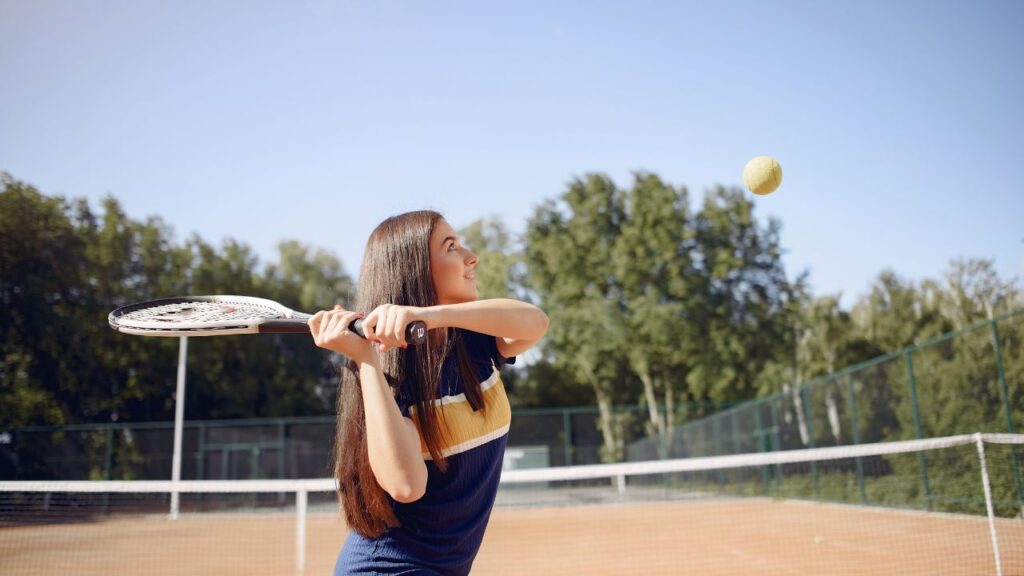
Mastering the Fundamentals of Tennis Smash Technique: Grip, Stance & Swing Dynamics
Winning on the court starts with the basics, and the smash—often called the overhead—is a tennis shot all about control blended with raw power. Understanding the foundations will set players up to nail smashes that cut short rallies and leave opponents scrambling. Expert coaching from legends and teaching pros breaks the smash down into three critical components: grip, stance, and swing dynamics.
Choosing the Ideal Grip for Maximum Power and Control
The most widely recommended grip for smashing is the continental grip. This grip is versatile, allowing for quick adjustments to unexpected ball placements while providing optimal racket face control. Unlike other grips geared more for forehands or backhands, the continental grip powers the serve-like motion underlying a smash.
Players using a grip from Wilson or Prince racquets find that maintaining this grip offers the smoothest transition from volley or groundstroke to the overhead smash, a key advantage during fast-paced rallies. Experimenting between standard continental and a slight variation toward an eastern grip can be beneficial for beginners to find the ideal comfort level without sacrificing shot precision.
Stance and Positioning: The Launchpad for Every Smash
Positioning is the unsung hero of a killer smash. The standard stance involves aligning feet shoulder-width apart with the body facing sideways as you prepare to hit. This “closed stance” stabilizes your balance, ensuring you can coil power through your torso rotation when swinging. Brands like Asics and Adidas excel in footwear designed to provide the stability and grip needed for these shifting stances.
Footwork leading to the smash is a rapid, dynamic dance — a swift shuffle toward the ball’s trajectory, often triggered by a well-timed lob from opponents. Players must anticipate early and adjust their foot placement to push off efficiently for explosive elevation and swing completion.
The Mechanics of the Swing: Generating Velocity and Accuracy
The swing starts with a high racquet head position, mimicking a serve motion, followed by a downward strike that meets the ball at its apex. The key to a devastating smash lies in the smooth shoulder rotation, generating whip-like acceleration from the kinetic chain traveling from feet to hips, torso, shoulder, and wrist. Beginners should practice this fluid motion slowly to engrain muscle memory with any preferred racquet brand – whether it’s Tecnifibre, Dunlop, or Babolat.
After contact, follow-through is crucial: extending the racquet downward and across the body prevents injuries and ensures optimal direction and power. Consistency in swing tempo and racquet head control fine-tunes smash precision to place the ball where the opponent least anticipates.
| Component | Key Tip | Recommended Equipment Influence |
|---|---|---|
| Grip | Use Continental grip for versatility | Wilson, Prince offer rackets with ergonomic handles aiding grip comfort |
| Stance | Adopt closed stance with balanced foot positioning | Asics, Adidas shoes enhance traction & stability for footwork |
| Swing | Rotate shoulders smoothly for whip-like power | Tecnifibre and Babolat racquets’ head-light balance aids swing speed |
Essential Drills and Practice Routines to Elevate Your Tennis Smash
Transforming the smash from a hopeful strike into a consistent game finisher doesn’t happen overnight. It requires relentless practice with sharp drills tailored to developing precision, footwork, and strength. Using backboards, wall hits, and live partner drills, players can sharpen every facet of their smash.
Backboard and Wall Drills: Solo Smashing Mastery
During isolated training, especially noticed during lockdowns when public courts were inaccessible, backboard workouts have become a favored ally. A backboard allows players to perfect control, timing, and reaction without the unpredictability of an opponent’s shot.
Basic guidelines for an effective backboard smash workout include:
- Control over power: Don’t wallop the ball too hard or it rebounds uncontrollably.
- One bounce rule: Hit the ball after one bounce for consistent rhythm.
- Intensity: Match real-game tempo to address stamina requirements.
- Timed sessions: Aim for 30-minute intervals to build endurance and sharpness.
Top Tennis Training’s Simon Konov and Intuitive Tennis’s Nikola Aracic advocate these backboard sessions as foundational for regular players and pros like Roger Federer (who famously went head-to-wall during quarantine) to keep overhead shots razor-sharp.
Partner Routines: Real-Time Smash Reflexes
Practicing with a partner introduces unpredictability beneficial for match conditions. Partners can lob varied angles and speeds, forcing the smasher to adjust body positioning and timing—crucial for real match dominance.
Effective partner smash drills:
- Alternating high lobs to encourage explosive jump smashes.
- Quick volley exchanges transitioning into overhead smashes.
- Focus on directional placement to develop shot accuracy.
| Drill Type | Focus Aspect | Expected Benefit |
|---|---|---|
| Backboard Drill | Control, stamina, rhythm | Consistency in contact and endurance |
| Partner Lob Drill | Timing, adaptability, jump smash | Improved reaction and power |
| Volley-to-Swing Drill | Transition, shot accuracy | Shot placement under pressure |
Advanced Smash Tactics: Using Strategy and Mental Sharpness to Dominate Points
Beyond raw mechanics, smart players capitalize on strategic insights to turn the smash into a weaponized point closer. This section demystifies the mental and tactical side of smashing—covering anticipation, placement, and point construction.
Anticipation: Reading Lobs and Preparing Early
Successful smashes start before the ball even crosses the net. Spotting a lob early with eagle-eyed court awareness enables perfect positioning and jump timing. This skill is honed through match play and specific drills tailored to quick-react scenarios.
Shot Placement: Outsmarting Opponents with Precision
Power alone isn’t enough. Bombing a smash straight at the net player invites an easy return. Instead, mixing placement tactics like:
- Deep smashes angled toward the baseline corners
- Sharp cross-court winners targeting opponents’ weaker backhands
- Soft drop smashes just over the net to catch players off-guard
Brands like Dunlop and Yonex frequently sponsor players known for exceptional smash precision. They rely on lightweight rackets that enhance maneuverability to exploit these shot variations.
Constructing Smash Opportunities in Points
A smash shot usually follows a well-built rally, setting up the opponent’s high return or lob. Using aggressive net play with volleys forces defenders into lobbing, opening smash chances. This tactical orchestration breaks down into:
- Pressure volleys to push opponents back
- Pre-emptive footwork to anticipate lob return
- Maintaining baseline dominance to provoke weak lofted balls
| Tactical Element | Key Strategy | Execution Tip |
|---|---|---|
| Anticipation | Predict lob timing early | Focus on opponent’s body language |
| Placement | Use angles and drop shots | Practice directional control on smashes |
| Point Construction | Force lob opportunities | Employ aggressive net approaches |
Choosing the Right Equipment for Your Smash: Rackets, Strings & Apparel Impact
The smash isn’t made on skill alone. Having the right equipment tailored for power, control, and comfort fuels the shot’s effectiveness on every level. From racquets designed for overhead smash power to shoes ensuring stable footwork, equipment choices directly influence performance.
Rackets and String Tension: Balancing Power with Precision
Rackets from Wilson, Head, Babolat, Tecnifibre, and Yonex offer options specifically sculpted for aggressive overhead play. These rackets often balance light weight with a powerful sweet spot and responsive frame stiffness. Choosing appropriate string tension is equally critical: tighter tension offers control while looser strings increase power.
Interested players can learn more about optimizing string tension to maximize their smash impact at TennisGuide.net’s guide on perfect racket tension.
Apparel and Footwear That Support Powerful Movement
Apparel may not smack down the ball but sensible tennis clothes and shoes from Adidas, Nike, and Asics boost endurance and agility. Lightweight, breathable fabrics keep muscles fresh while footwear with grip-enhancing soles ensures swift side-to-side footwork and explosive jumps for smashes.
| Equipment Type | Recommended Brands | Impact on Smash |
|---|---|---|
| Rackets | Wilson, Babolat, Tecnifibre | Lightweight frames for swing speed and power |
| Strings | Head, Dunlop | Adjust tension for ideal power-control balance |
| Footwear | Asics, Adidas, Nike | Traction and stability for explosive footwork |
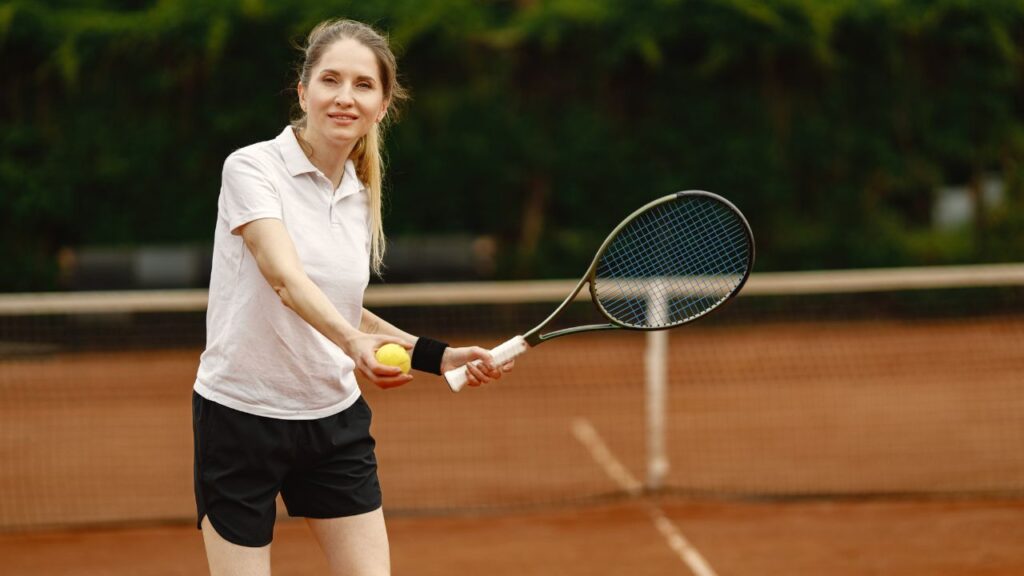
Common Mistakes in Tennis Smash and How to Correct Them for Consistent Success
Even seasoned players fall into habitual smash errors, undermining their chances of closing points decisively. Recognizing and correcting these recurrent mistakes is crucial for consistent match-winning overheads.
Common Mistakes During the Smash Execution
- Poor ball tracking: Falling behind the ball causes mistimed jumps and weak shots.
- Incorrect grip shifts: Switching grips too early or late disrupts control.
- Racquet head lagging: Delayed swing initiation lowers power and accuracy.
- Compromised foot positioning: Unbalanced or last-minute footwork leads to awkward hitting angles.
Drills and Techniques to Fix Errors
Incorporating specific drills targeting these faults can fast-track improvements:
- Ball tracking drill: Use backboard drills focusing solely on following the ball visually and timing foot movement appropriately.
- Grip transition exercise: Practice maintaining a firm continental grip through all racket positions.
- Shadow swings: Slow-motion swing reps build muscle memory and improve racquet head speed.
- Footwork ladder drills: Employ agility ladders or cone drills to perfect smash approach steps.
| Mistake | Correction Technique | Expected Outcome |
|---|---|---|
| Poor Ball Tracking | Backboard visual tracking practice | Improved timing & positioning |
| Grip Errors | Grip transition practice | Enhanced racket control |
| Delayed Swing | Shadow swing reps | Increased power & accuracy |
| Awkward Footwork | Footwork ladder drills | Balanced and explosive foot positioning |
Frequently Asked Questions About Tennis Smash Technique
- Q: What is the best grip to use for hitting a tennis smash?
A: The continental grip is widely regarded as the best for overhead smashes due to its control and the ability to transition easily from volleys. - Q: How can I improve my timing to hit smashes more consistently?
A: Practice ball tracking and footwork drills, especially using backboard exercises and live partner lobs to hone your anticipation and swing fluidity. - Q: Does racquet brand impact smash performance?
A: Yes, brands like Wilson, Head, and Babolat offer racquets optimized for overhead power and control, but the key lies in match between player technique and equipment choice. - Q: What common mistake should beginners watch out for when smashing?
A: Poor ball tracking and incorrect grip shifts are common pitfalls that undermine smash success. Keeping eyes on the ball and holding a steady grip are essential. - Q: Can practicing smashes against a wall be effective?
A: Absolutely. Wall drills promote control, stamina, consistency and have been used by many pros, especially when court access is limited.